About Us


Citizen Scientists is an entirely volunteer driven,
not-for-profit group that focuses on ecological monitoring, environmental training and education. Since establishment in 2001, we have been following a government certified protocol to monitor stream health at various sites throughout the Rouge River watershed in Toronto, Ontario, Canada.


Citizen Scientists was formed with three main goals:

To educate volunteers:

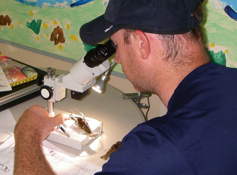
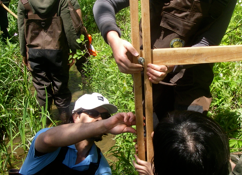
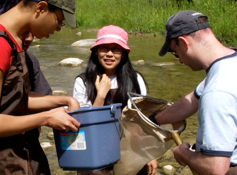
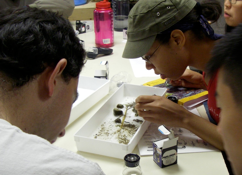
Using in-class workshops and presentations and in-field training exercises, we educate and train the local community to collect accurate and reliable stream data including stream morphology (e.g., water depth, velocity, substrate, bank features, etc.), fisheries, benthic invertebrates, and temperature in order to build understanding and awareness about their local ecosystems and the issues that degrade them. Volunteers learn how and why stream monitoring is important and how it connects to environmental protection.


To foster local stewardship:

We reach out to local community members, college and university students, experts in the environment field and other interested volunteers in order to build awareness and understanding of local aquatic ecosystems and their related issues (e.g. endangered species, stormwater management and aquatic invasive species) with the hopes of shaping a more sustainable future.


To monitor local watersheds:

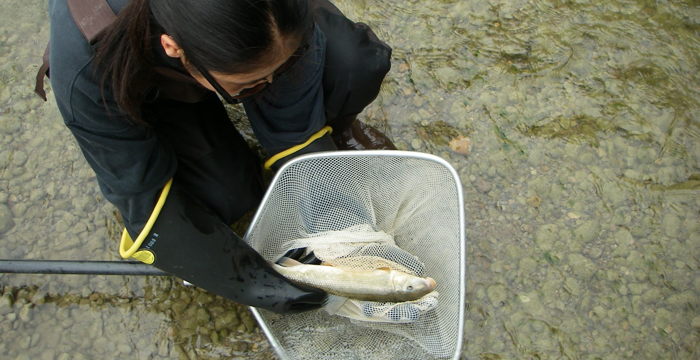
We collect stream morphology, fisheries, benthic invertebrates, and temperature data in an accurate and reliable manner using a government approved protocol as well as other stream monitoring techniques. Group members collect a range of environmental information, learn about local species, their habitats and the ecological processes that support them. The data we collect is shared with government agencies, environmental organizations and researchers, and is available to the general public.
Contact us


For more information about our group, our activities, volunteering or donating to us please email us at info@citizenscientists.ca or write to us at:

Citizen Scientists

1749 Meadowvale Road

Toronto, Ontario

M1B 5W8

Canada

About Us     Monitoring     Education     Volunteering     Events     Partners     Donate

Our Partners

Rouge River and Habitat Monitoring Project

Since 2003, the Citizen Scientists have been monitoring the Rouge River watershed at various sites located in Toronto, Markham, Richmond Hill, and Whitchurch-Stouffville in Ontario, Canada.


Each year our certified volunteer crew leaders educate and train new and returning volunteers in the collection of ecological stream data. Crew leaders are trained and certified in the Ontario Stream Assessment Protocol (OSAP) created by the Ontario Ministry of Natural Resources’ (MNR) which standardizes data collection and recording methods, as well as data entry, analysis and interpretation.


Our sites are monitored every year to establish long term data trends that will allow for relationships to be developed between stream ecology and condition and associated landscape form. All of our data is entered into the Citizen Scientists OSAP Database and is shared with MNR and other partner agencies and researchers.


Through our work we hope to further environmental and ecological understanding that will ultimately lead to better choices and decisions and ultimately to a sustainable future.


Rouge River Watershed

The Rouge River watershed still represents an area with considerable natural resources including areas that support unique, rare and endangered species. The aquatic systems of the Rouge River still support cold- and cool-water communities including provincially endangered species such as redside dace and native brook trout populations. Natural terrestrial habitats support a high diversity of plants and animals, again including those which are rare or at risk, such as the nationally threatened Jefferson salamander, and provincially significant Cooper’s hawk. All of these natural resources lay at the footsteps of the largest urban centre in Canada, the Greater Toronto Area (GTA).


This unique condition offers rare opportunities to learn about environmental protection, conservation and restoration through research and monitoring. As the urban boundary expands northward into the rural and natural habitats of the watershed we are presented with unique opportunities to study the impacts and changes that occur to our natural ecosystems. This understanding can be further developed and applied to future landscape practices, designs, policies and technologies that will lead to improved protection of natural environments, ecosystems and ecological processes. Additionally the Rouge River watershed is an area where significant environmental protection has already been achieved, with the formation of one of the largest urban nature parks in North America, the 41 km2 Rouge Park. It is from within the Park that we are based and where understanding begins.